
Last verified by Nima Parham — 27 October 2026.
Eco-tourism should begin with an impact question
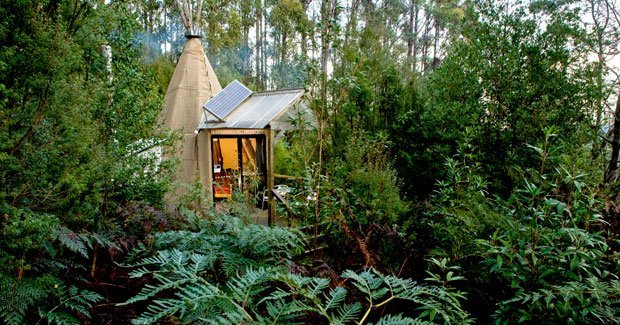
Eco-tourism in Australia is often marketed through beautiful photographs: a rainforest boardwalk, a quiet beach or a lodge beside a national park. But the photograph cannot tell you whether a visit supports conservation or simply uses nature as scenery. The practical test is what the operator does with visitor numbers, waste, transport, wildlife encounters and relationships with Traditional Owners. A small group is not automatically low-impact, and a larger organised visit is not automatically irresponsible. What matters is management, evidence and behaviour. Before reserving an experience, read the relevant park authority's current access conditions and ask the operator what conservation outcomes it actually measures. Australia has very different ecosystems, so a useful trip begins with the particular place rather than a single national eco-tourism checklist.
National parks are living places, not outdoor studios
An Australian national park may protect threatened habitats, significant landforms and cultural places at the same time. The right visitor behaviour changes from a coastal nesting area to an alpine walking track or an arid desert landscape. Stay on permitted routes, respect temporary closures, carry waste away and avoid treating wildlife as a photo accessory. If a park asks visitors not to climb, camp, fly drones or approach an area, do not accept an operator's informal reassurance that the rule is flexible. The official national parks portal is a good starting point for federally managed reserves. Local authority pages should take precedence over social-media travel advice. A useful starting point for trip preparation is Parks Australia, while individual state and territory park agencies control much of the practical access information. Check again close to your departure date because fire danger, restoration work and weather can affect access at short notice.
The value of Indigenous-led interpretation
Responsible travel is also a question of whose knowledge is being presented, who has consented to its use and who benefits financially. A generic statement that a landscape is 'sacred' does not replace specific, authorised cultural interpretation. Look for tours led by Traditional Owners or operators working under a clear agreement, and avoid asking a guide to disclose restricted cultural knowledge. This distinction matters in places where storytelling, images, access routes and ceremonies carry cultural protocols. Visitors should expect that some knowledge is not public and that consent to enter one area does not grant permission to photograph every place or person. An operator that explains these limits clearly may be offering a more responsible experience than one promising unrestricted access. Always favour the guidance of the relevant Traditional Owner organisation and the managing park authority and managing authority over recycled stories from travel blogs.
Ask five questions before booking
First, who operates the experience, and can you see a real business name, physical contact and cancellation policy? Second, does the provider state group sizes and visitor limits rather than promising unlimited encounters? Third, what exactly does the price fund: guiding, transport, community employment, habitat work or only an entrance ticket? Fourth, how are safety and animal welfare handled? Fifth, what happens if a track is closed or animals do not appear? Genuine nature experiences cannot guarantee a sighting. An ethical provider should not feed a wild animal or pressure participants into an unsafe route merely to meet a marketing promise. The ACCC's consumer guidance is relevant when environmental claims sound absolute or cannot be substantiated. The ACCC guidance on misleading claims is a useful test of exaggerated promises. A badge or an attractive sustainability page is a starting signal, not final proof.
Travel farther less often, and understand the transport trade-off
Australia's distances can make the transport footprint of an itinerary significant. Instead of flying between unrelated landmarks for a series of brief photographs, consider spending longer in one region, travelling outside sensitive peak periods and combining nearby experiences. That choice also gives a destination more than a few hours of your spending. Public transport may work well for metropolitan museums and city parks but can be impractical for remote reserves. When a car is necessary, plan shared travel and realistic driving distances rather than assuming an isolated attraction has frequent services. On arrival, check which local businesses employ residents, use regional products and explain their environmental practices. No single trip becomes sustainable through one purchase; it is the collection of planning choices that changes impact.
Wildlife viewing is not a contact sport
A close encounter with an animal may be memorable without touching it. In fact, a well-managed observation from a distance is often better for wildlife and produces a richer understanding of its behaviour. Never infer that a species is safe to feed because an earlier visitor posted a photograph doing so. Feeding can change diets, expose animals to illness and draw them into roads or crowded areas. Be wary of offers guaranteeing intimate wildlife contact without naming the animal welfare arrangements. Follow species-specific instructions from park rangers. Avoid flash photography when it is restricted, especially around nocturnal habitats. For marine encounters, responsible distance and vessel behaviour matter just as much as conditions on land. The operator should be able to describe how it responds if an animal approaches unexpectedly.
Put the destination ahead of the label
A rainforest visitor, reef snorkeller and outback walker face different risks and responsibilities. In tropical Queensland, weather, reef rules and marine conditions dominate planning. In alpine country, temperature changes and track closures matter more. In arid central Australia, water, heat, road conditions and cultural restrictions may determine what is even possible. Choose accommodation and tours around the reality of the site. Look for transparent pricing, credible contact details, up-to-date safety information and realistic group programmes. If an itinerary relies on driving at night across remote country or entering a closed reserve, change it. The responsible choice is sometimes to postpone an attraction entirely. Park notices and Australian Government travel planning can provide useful starting context, but local restrictions remain authoritative.
A simple two-day low-impact experiment
Imagine spending two nights near a regional national park rather than racing through three distant locations. On the first day, check the park office's route map, take a permitted short walk with appropriate footwear and attend an interpretation session if available. Eat locally and allow time to learn why the surrounding habitat is protected. On the second day, join a properly authorised guide, carry your own refillable water and choose a viewpoint that does not require leaving the trail. Record what you learned rather than collecting plants, shells or rocks. This is not a promise of a carbon-neutral weekend: transport still has a cost. It is a practical illustration of how fewer transfers, slower observation and respect for rules can make a visit more thoughtful.
An honest definition of success
Good eco-tourism does not mean an untouched landscape made available exclusively to you. It means an experience that respects existing communities, legal protections and ecological limits, while supporting learning and local economic value. Compare operators by verifiable practices; check the authorities that manage the site; and accept that nature does not follow a tour timetable. This mindset is more durable than any annual list of 'top ten sustainable destinations'.